The supplied XJ650 technical sheet records a nominal servicing depth of 8,500 m with 2-7/8-inch external upset tubing. This is a conditional specification entry, not a guarantee that the rig can service every well at that depth. Selection requires the tubular schedule, required loads, offered equipment configuration and actual workover program to be reviewed together.
The same sheet also lists a depth entry with drill pipe, a rated hook load, a maximum static load and a racking-capacity entry. These figures answer different procurement questions. Reading them as one interchangeable measure of capacity can lead to an unsuitable equipment specification.
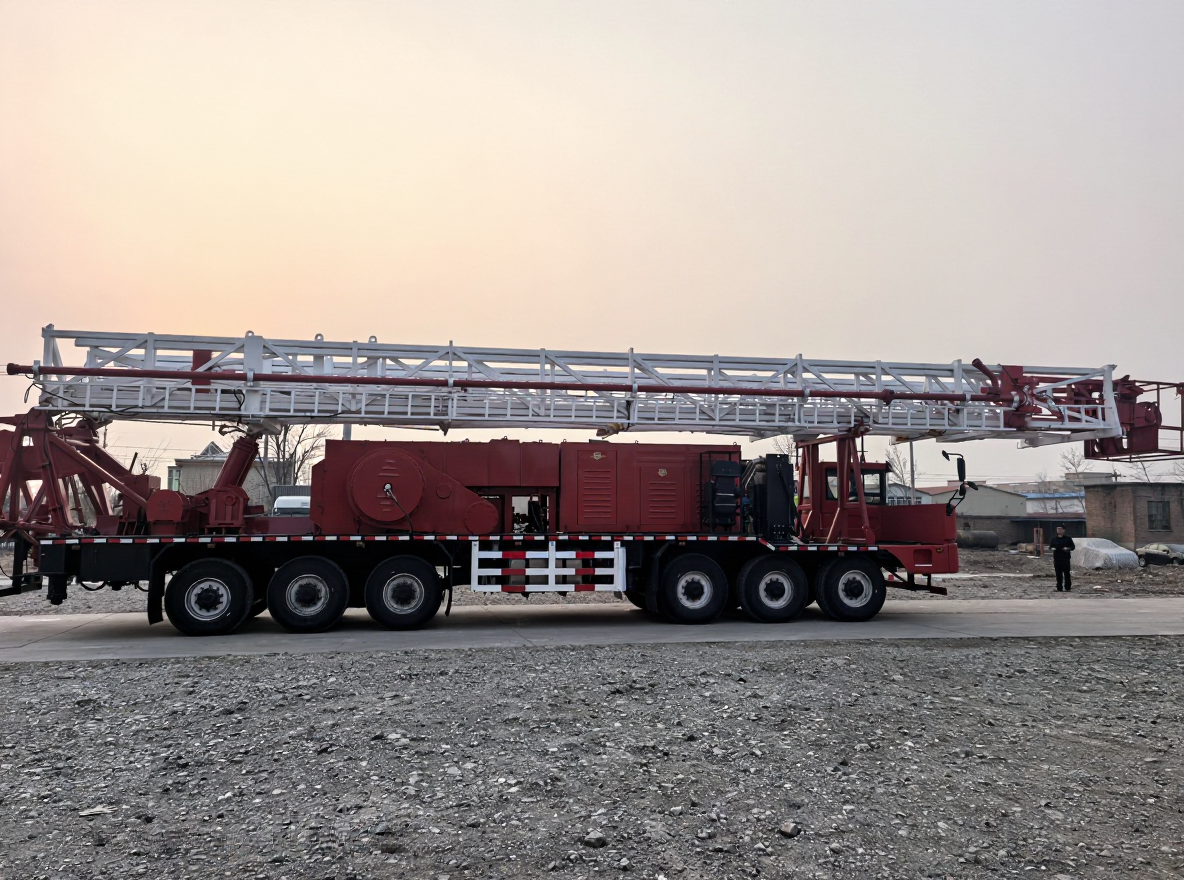
1. What Does the XJ650’s 8,500 m Nominal Servicing Depth Actually Mean?
For procurement purposes, read the nominal depth as the supplier’s stated depth rating tied to the tubular condition printed alongside it. The source does not provide a complete engineering calculation demonstrating suitability for a particular well.
The condition attached to 8,500 m is 2-7/8-inch external upset tubing. EUE is the abbreviation used in this article’s title: Tenaris identifies EUE as external-upset-end tubing terminology in its official connection discussion. The XJ650 sheet itself spells out “External upset tubing”; it does not supply a complete connection specification. Obtain the approved tubular description before treating the abbreviation as confirmation of a particular connection design.
A useful tender entry keeps the number and its condition together: “Nominal servicing depth: 8,500 m with 2-7/8-inch external upset tubing, subject to confirmation of the offered configuration and project load requirements.”
The next question is whether the project’s tubular schedule and work program match the basis of that rating. Diameter alone does not provide the complete input needed for that decision. Request the tubing grade, wall thickness or nominal weight, connection details, string length and attached equipment, together with the supplier’s documented rating conditions.
Do not turn the depth entry into a blanket statement of operating capability or extend it to a different tubular schedule without engineering confirmation.
2. Why Does the XJ650 Specification Also List 7,000 m with Drill Pipe?
The confirmed XJ650 parameters distinguish nominal servicing depth with EUE tubing, nominal workover depth with drill pipe and nominal drilling depth. These ratings should remain separate.
| Item | Parameter |
|---|---|
| Model | XJ650 |
| Nominal Servicing Depth (2-7/8-inch EUE Tubing) | 8,500 m |
| Nominal Workover Depth (2-7/8-inch Drill Pipe) | 7,000 m |
| Nominal Drilling Depth | 2,500 m |
The 7,000 m entry is confirmed as nominal workover depth with 2-7/8-inch drill pipe. Nominal drilling depth is separately confirmed as 2,500 m; a drill-pipe size for that drilling rating has not been confirmed.
Tubing and drill pipe are not interchangeable procurement descriptions. SLB describes production tubing as the wellbore tubular used to produce reservoir fluids. Its drillpipe definition describes tubulars with tool joints used to connect surface equipment to the bottomhole assembly, supporting fluid circulation and movement of that assembly.
These definitions explain why the tubular description matters; they do not establish the operating capability of this XJ650 configuration.
The 7,000 m entry is a nominal workover-depth rating with 2-7/8-inch drill pipe. It must not be presented as the drilling-depth rating or relabeled as tubing.
Obtain the approved configuration-specific specification and rating conditions for the planned operation. Do not calculate a depth conversion between the tubing and drill-pipe entries: the available sheet does not establish the assumptions needed for one.
3. How Should Buyers Evaluate the 1,200 kN Rated Hook Load?
The sheet lists 1,200 kN rated hook load and 1,575 kN maximum static load as separate parameters. The larger static figure must not be substituted for the rated hook load in a purchasing decision.
| Parameter | Recorded value | Procurement interpretation |
|---|---|---|
| Rated hook load | 1,200 kN | Request the applicable configuration, rating conditions and load documentation |
| Maximum static load | 1,575 kN | Request the precise component or system definition, load case and restrictions; do not assume it is the working hook-load allowance |
SLB’s hook-load definition explains the force acting on the hook and notes the influence of suspended equipment, buoyancy and wellbore interaction. This background is useful when defining the load case, but it does not provide an XJ650 allowable-load calculation.
The engineering submission should identify the tubular string and tool weights, fluid conditions, well trajectory, expected operating loads and any planned pulling requirements. It should also identify the applicable lifting-system configuration and the load documentation used to assess that case.
Ask the responsible engineer to explain which equipment limit governs the proposed operation. The supplied summary does not establish an allowable overpull, operating margin or permissible combination of hook and racking loads. No such value should be inferred from the difference between the two listed ratings.
4. How Is Racking Capacity Different from Workover Depth?
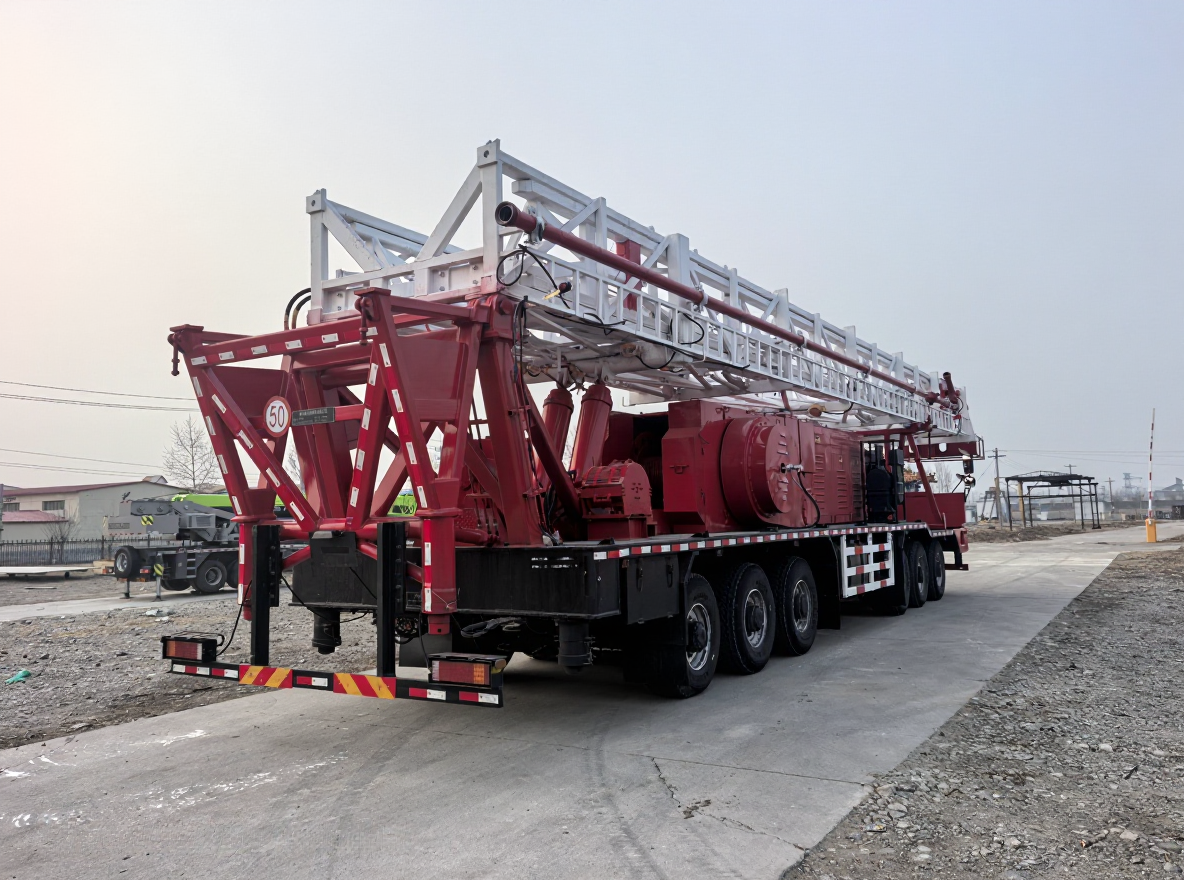
The sheet separately records 7,000 m of 2-7/8-inch drill pipe under racking-platform capacity. That entry concerns the stated capacity for racked tubulars; it is not another definition of well depth and is not the platform or mast height.
Although the depth and racking entries use the same numerical length, they appear under different labels. Treat them as separate specification items until the supplier explains their relationship.
Request the approved racking arrangement, tubular specification, stand length and count, and the applicable structural load limits. The capacity definition and configuration conditions behind the recorded length still require confirmation. A length-based capacity entry alone does not establish which operating and setback-load combinations are permitted.
For tender evaluation, ask two separate questions: can the offered rig perform the specified work program, and can its approved racking arrangement accommodate the intended tubular inventory?
5. Which Well Conditions Must Buyers Confirm Before Selecting the XJ650?
A useful selection package follows the work program through to the equipment configuration. It should give the supplier enough information to assess the actual job rather than repeat the catalogue depth.
Target well depth and workover program. State the target intervention depth and how depth is defined in the well data, provide the well trajectory, and describe the planned operations. Ask which depth basis the nominal rating uses.
Tubing or drill-pipe specifications. Provide the tubular schedule, including size, grade, weight or wall thickness, connections and required lengths. Identify the downhole tools and other equipment included in the string.
String weight and required lifting load. Supply the engineering load cases and intended operating conditions. Ask the supplier to identify the applicable equipment ratings and any restrictions for each case.
Wellsite and operating environment. Provide the project location, expected ambient conditions, site constraints and operator requirements. Country or climate descriptions alone do not demonstrate that an offered package is suitable.
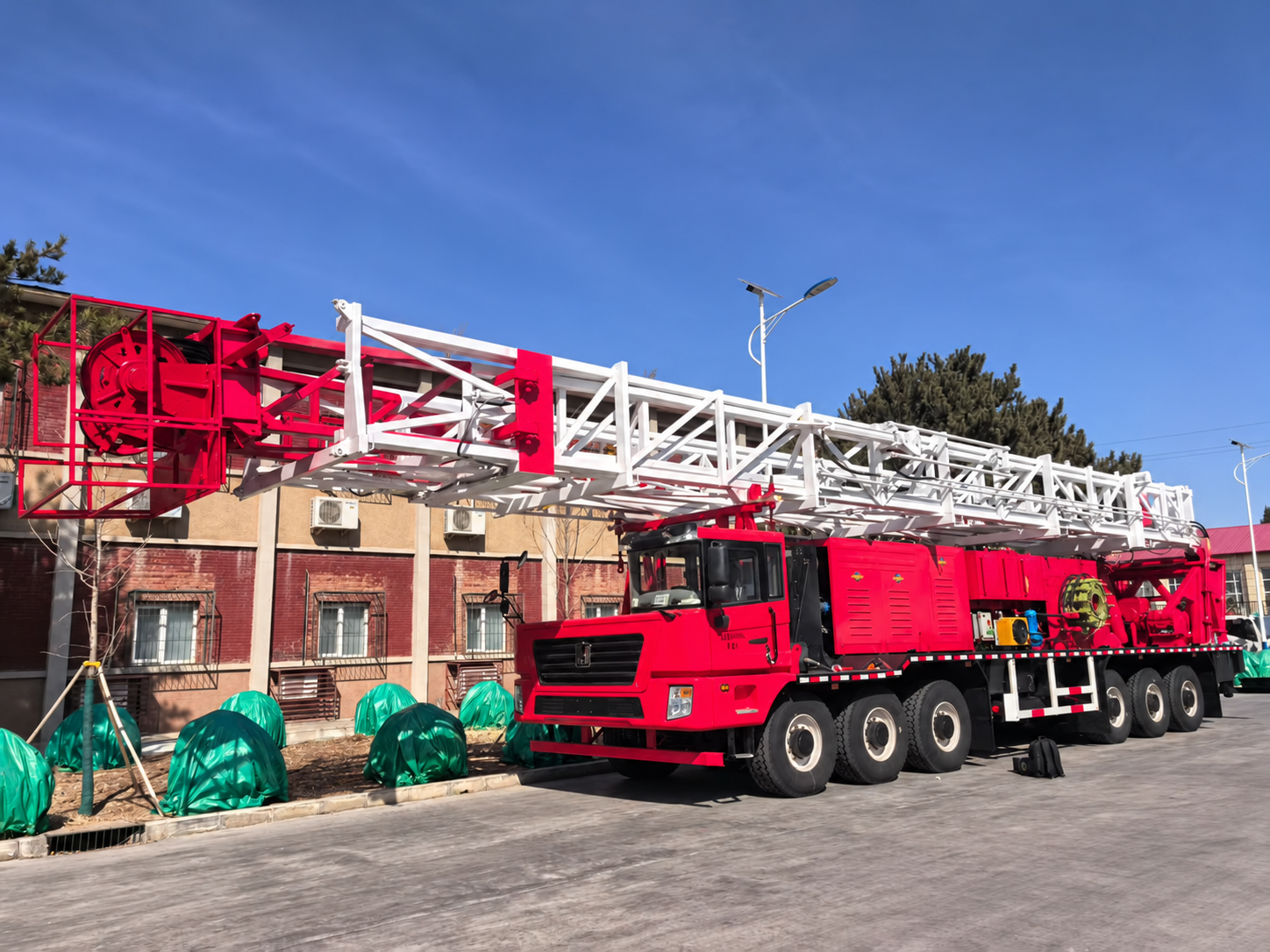
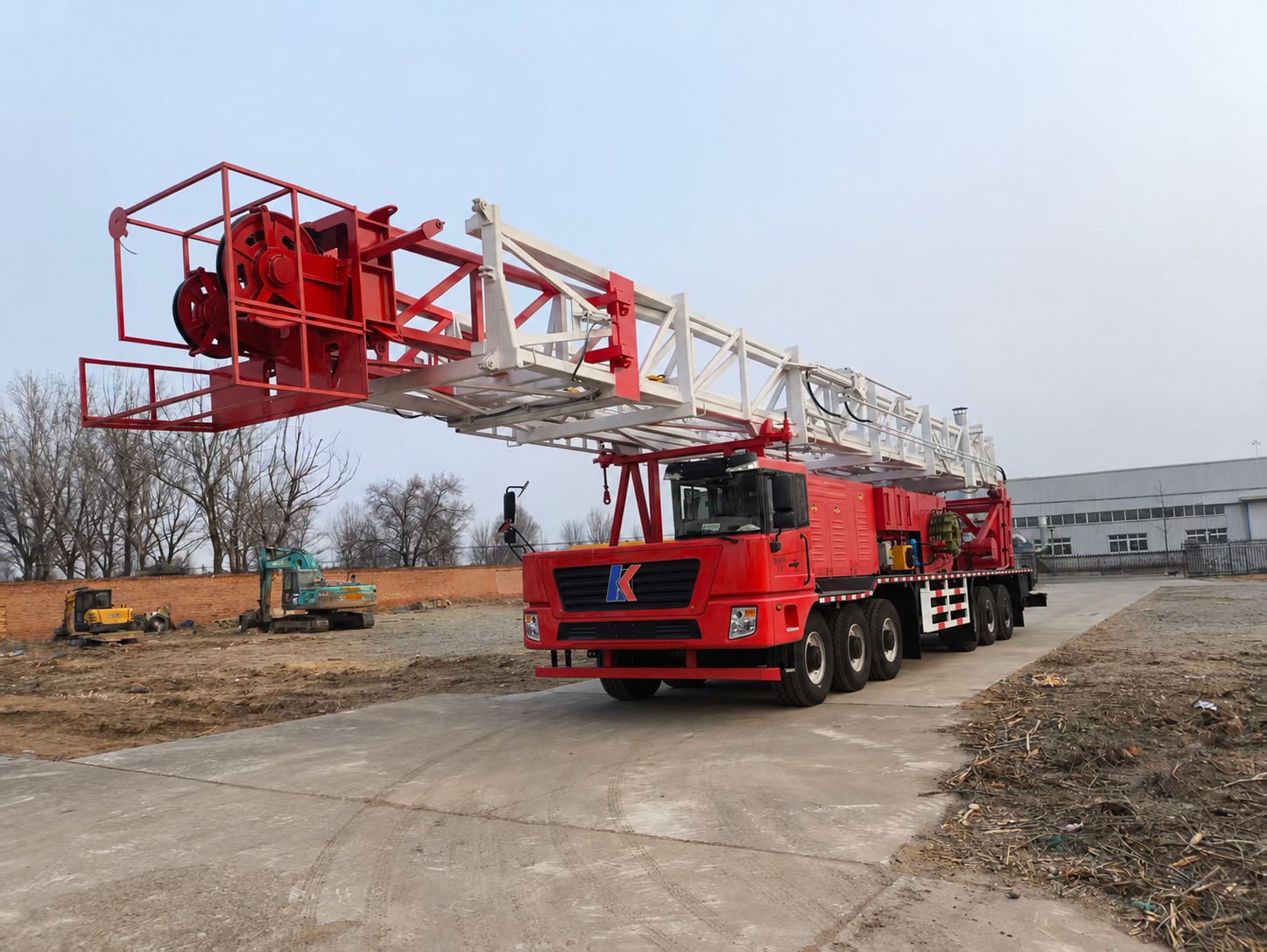
Transport and equipment configuration. Provide route, access and transport constraints, and request the offered carrier, mast, lifting system and power-system configuration. The quotation should identify the actual package being evaluated rather than leave configuration alternatives unresolved.
An incomplete selection package usually produces an incomplete technical comparison. Two quotations carrying the same nominal depth can still be based on different assumptions and equipment scopes.
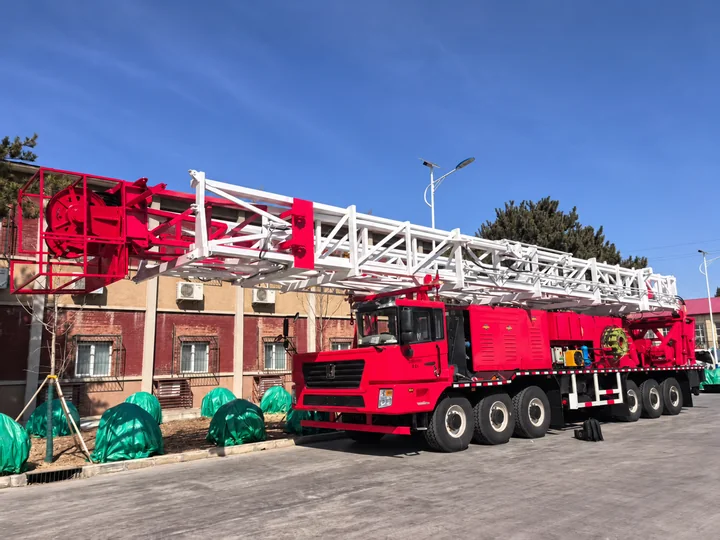
6. What Technical Documents Should Buyers Request for an XJ650 Evaluation?
Request documents that apply to the configuration being quoted. A product page can introduce the model, but technical acceptance requires the relevant approved documents and a recorded response to project requirements.
| Buyer check | Documents or evidence required | Decision question |
|---|---|---|
| Depth rating | Approved technical specification identifying tubular conditions and rating basis | Does the documented basis match the proposed work program? |
| Tubular conditions | Tubular specification and work program | Are the pipe type, size, grade, weight and connections identified? |
| Hook-load capacity | Applicable load-rating documentation and engineering load cases | Which rating governs the planned operation, and under what conditions? |
| Mast and racking | Approved mast and racking documentation | Does the proposed arrangement support the required tubular inventory and load combinations? |
| Project suitability | Engineering configuration review | Have the well, site and operating requirements been addressed? |
| Final quotation | Confirmed configuration and deviation list | Are exclusions, substitutions and unresolved requirements explicit? |
Check that document revisions, equipment identification and configuration descriptions agree across the submission. An approval for another arrangement does not establish acceptance of the package being offered.
If a tender specifies a standard or certification requirement, request evidence covering that exact requirement and equipment scope. Mentioning a standard in technical literature does not by itself establish product certification.
7. Frequently Asked Questions
What are the nominal servicing, workover and drilling depths of the XJ650?
Nominal servicing depth is 8,500 m with 2-7/8-inch EUE tubing. Nominal workover depth is 7,000 m with 2-7/8-inch drill pipe. Nominal drilling depth is 2,500 m. Obtain the approved configuration-specific rating basis before using these values for selection.
Can every 8,500 m well be serviced by an XJ650?
No. The listed 8,500 m rating is tied to 2-7/8-inch external upset tubing. Suitability for an individual well also requires the work program, tubular schedule, load cases, site conditions and offered configuration to be assessed.
What is the difference between rated hook load and maximum static load?
The source labels them as different ratings. Use the applicable load documentation to establish their definitions and conditions; do not treat the maximum static figure as permission to exceed the rated hook load during operations.
What documents are needed before ordering an XJ650?
Request an approved specification, tubular and work-program details, applicable load documentation, mast and racking documentation, an engineering configuration review, and a quotation with a confirmed equipment scope and deviation list.
8. Where Can Buyers Review the XJ650 Configuration?
Review the XJ650 Truck-Mounted Workover Rig product page as a starting point for the equipment discussion. Use the approved technical submission to confirm the configuration and resolve the depth, tubular and load questions before final selection.
Request an XJ650 Technical Configuration Review. Provide the well depth, tubular specifications, required operating loads and project location, together with the proposed workover program, so the configuration can be assessed against the job.
2 thoughts on “XJ650 8,500 m Workover Depth: What the 2-7/8-Inch EUE Tubing Rating Means”
Comments are closed.