XJ550 · XJ650 · XJ750 · XJ1000
Truck-Mounted Workover Rigs — Model Comparison and Selection
Compare the XJ550, XJ650, XJ750 and XJ1000 model pages, then use the confirmed well program, lifting basis, site access and transport conditions to guide selection.
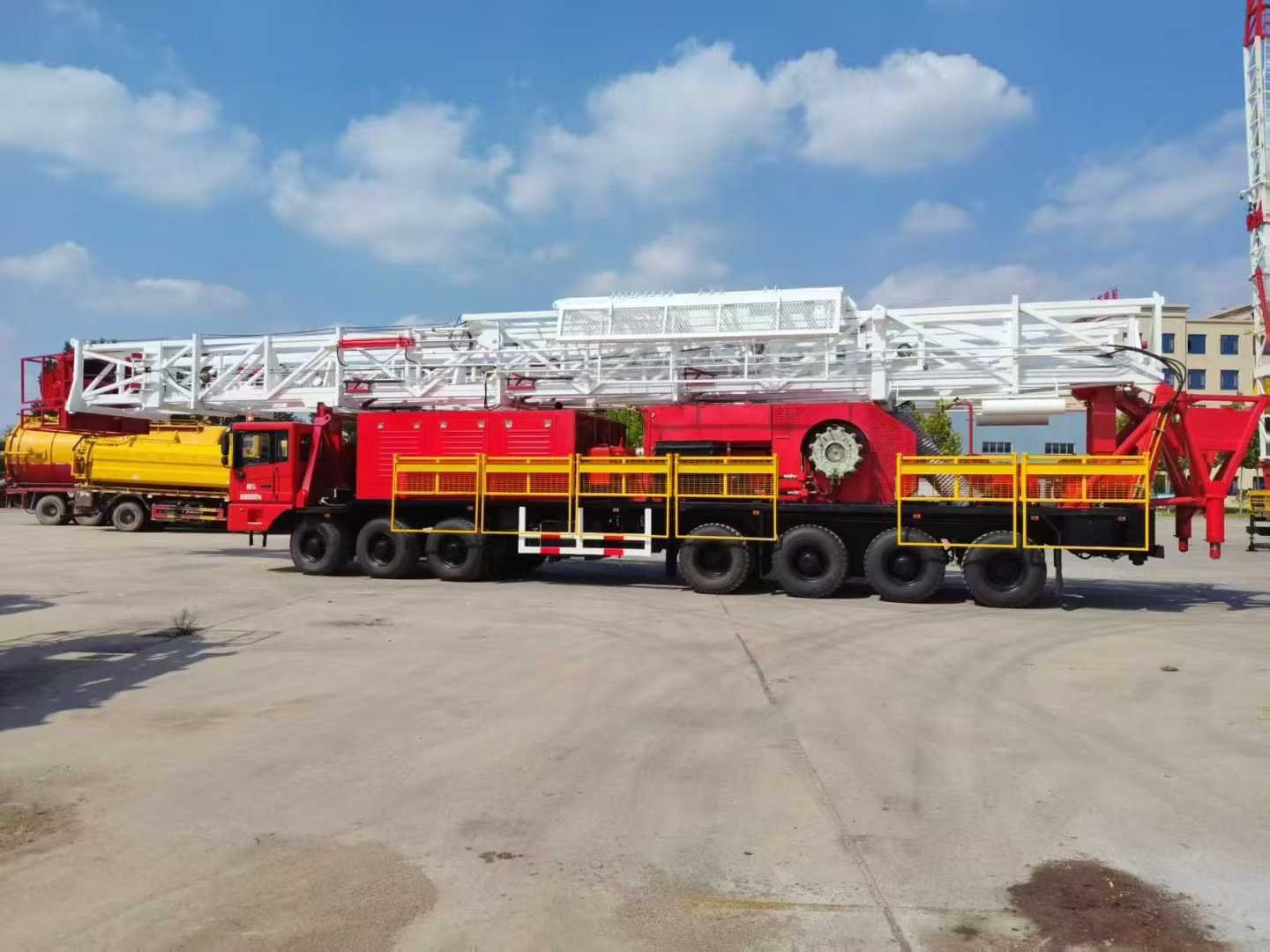 Mobile rig and multi-axle chassis integration
Product range
Compare XJ550, XJ650, XJ750 and XJ1000 Workover Rigs
Hubei Link Petroleum Equipment Co., Ltd. presents four truck-mounted workover rig classes for comparison. Final model, chassis and supporting-equipment choices depend on the confirmed operating basis and engineering review.
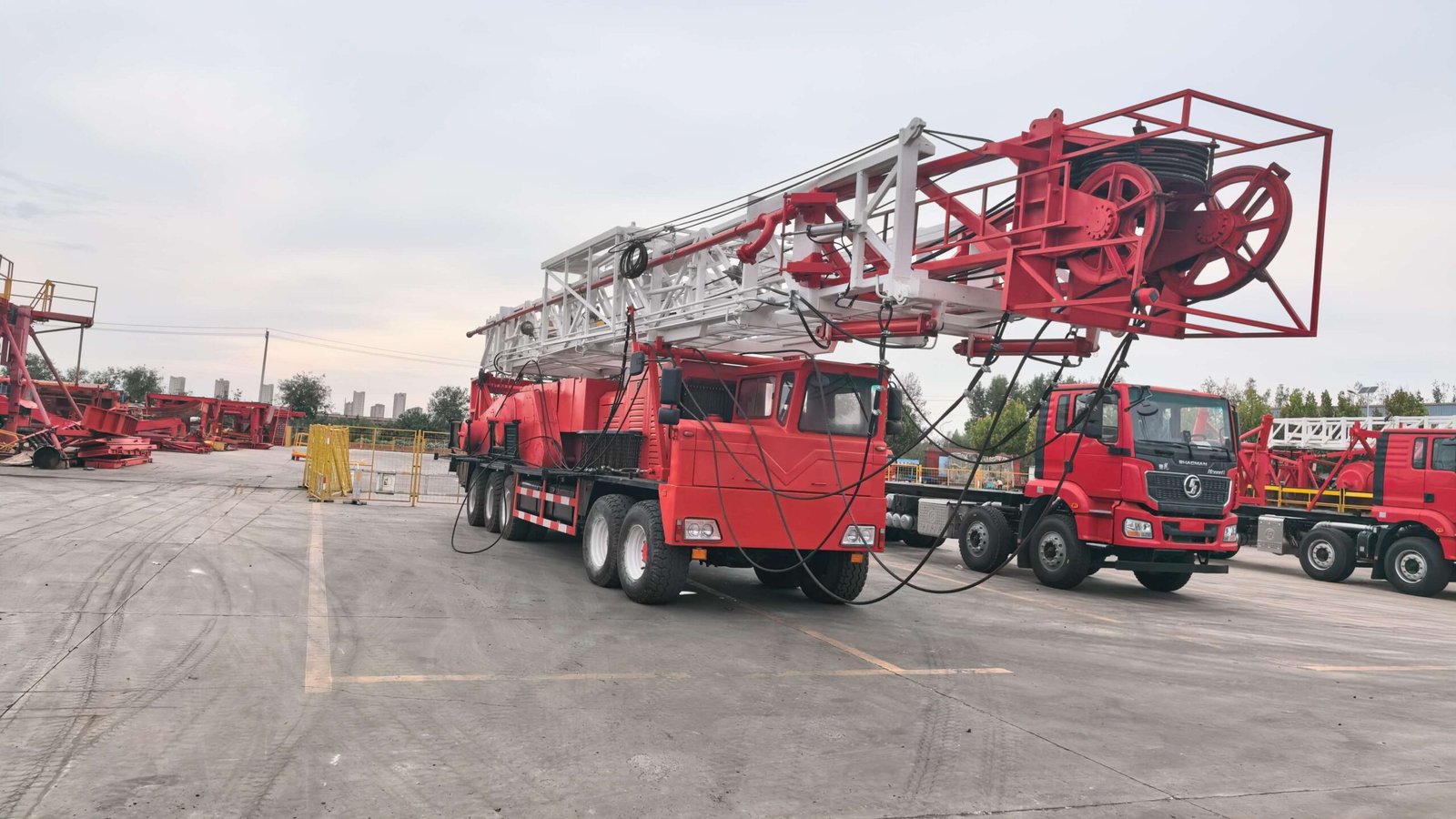
XJ550 Workover Rig
Review the current XJ550 product information and discuss its fit for the confirmed well-servicing program.
View XJ550 model details →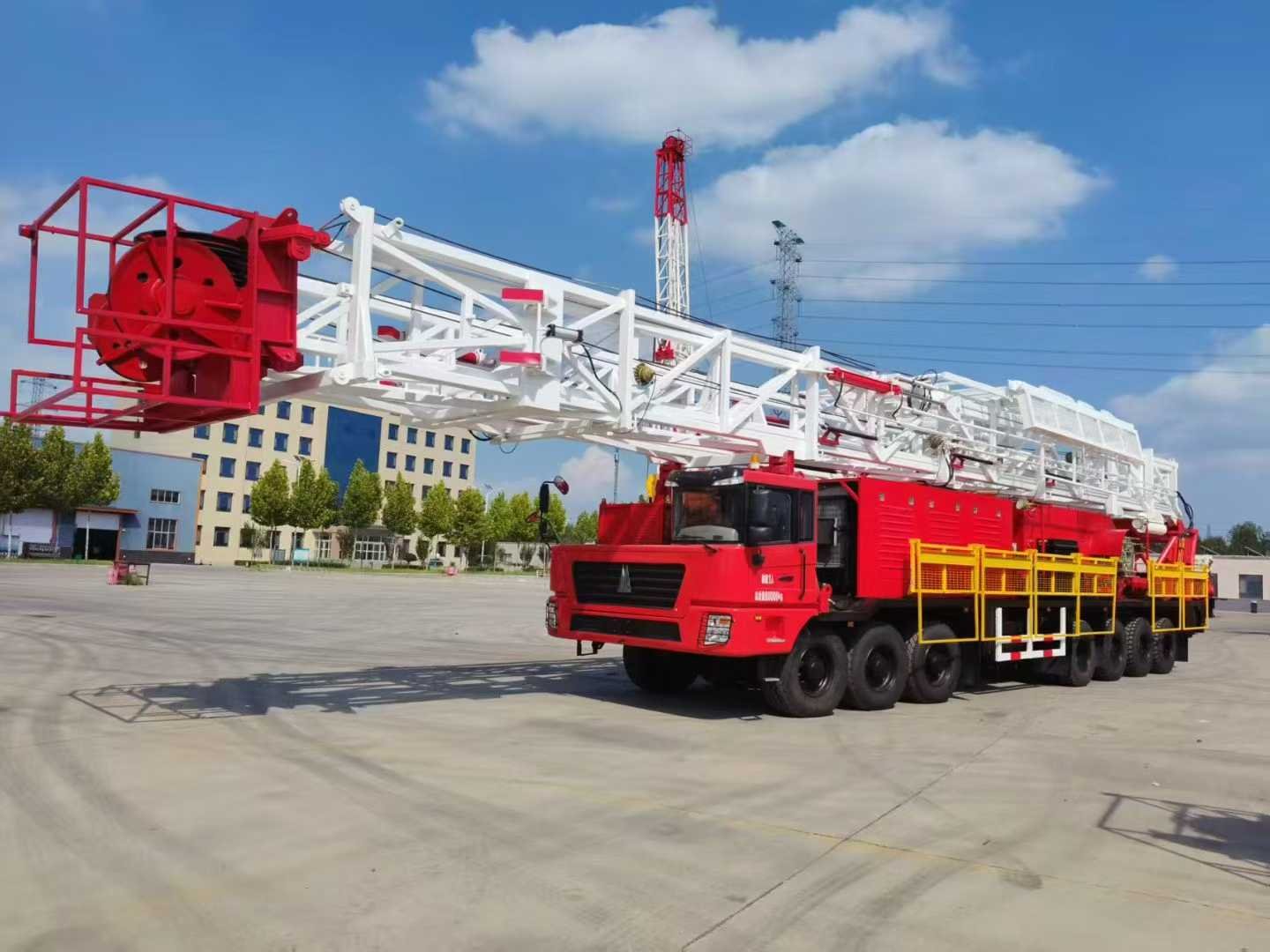
XJ650 Workover Rig
Review the XJ650 model page before comparing configuration, chassis and operating requirements.
Review XJ650 configuration basis →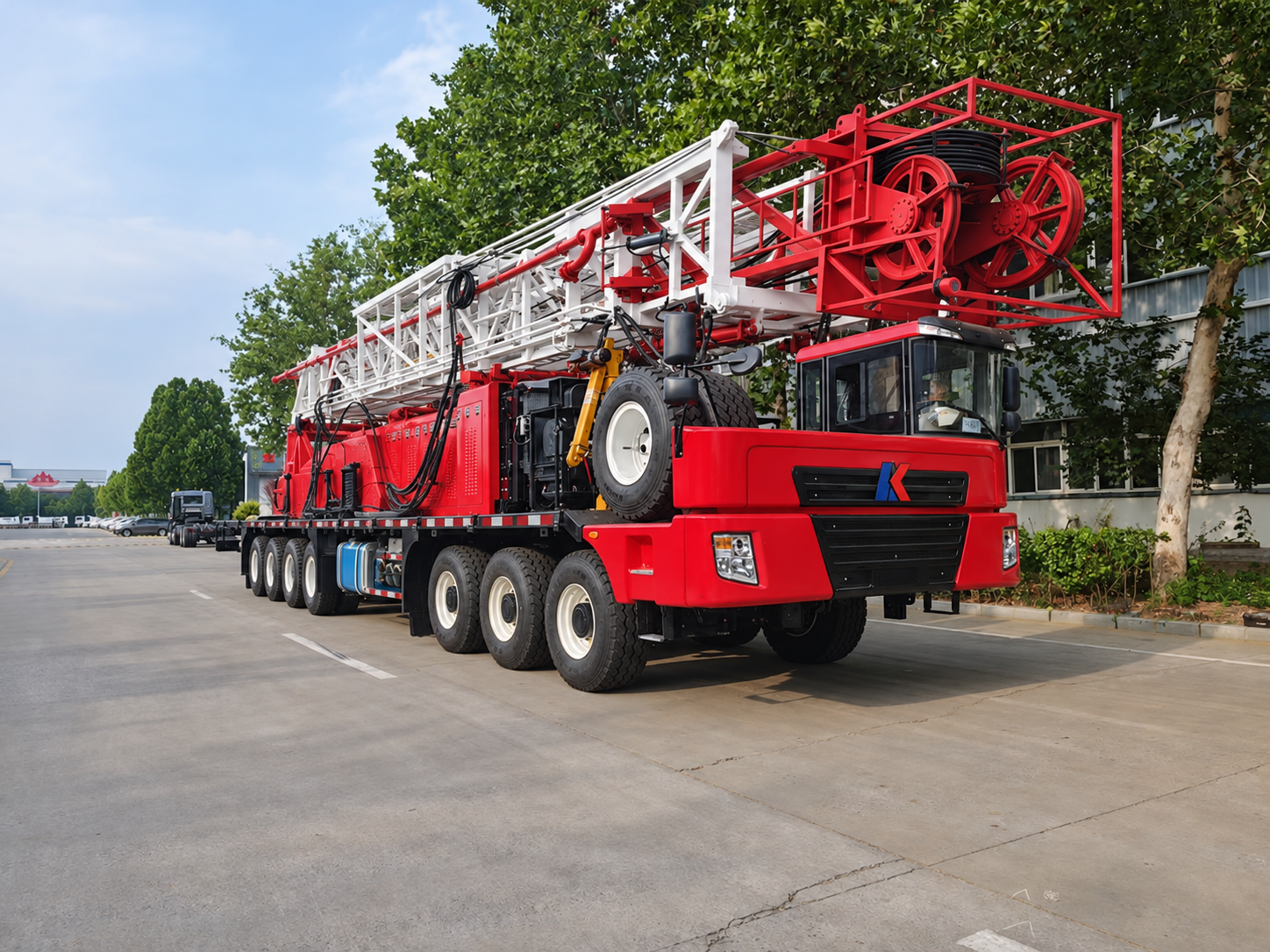
XJ750 Workover Rig
Review the XJ750 model page for heavier-duty workover planning subject to confirmed project requirements.
Explore XJ750 project fit →
XJ1000 Workover Rig
Review the current XJ1000 model page for deep-well workover planning, hook-load basis, mast and seven-axle chassis options.
Review XJ1000 configuration basis →Technical comparison
Truck-Mounted Workover Rig Model Comparison
The terms below follow the verified model-page wording. Rated hook load and maximum hook load are not treated as interchangeable values.
| Model | Workover basis | Hook load | Mast | Chassis |
|---|---|---|---|---|
| XJ550 | 7,000 m with 2-7/8 in EUE tubing | 1,000 kN rated hook load | 34 m | 10×8 / 10×10 |
| XJ650 | 8,500 m with 2-7/8 in EUE tubing | 1,200 kN rated hook load | 35 m | 12×8 |
| XJ750 | 6,500 m with 3-1/2 in drill pipe | 1,800 kN maximum hook load | 38 m | 14×8 |
| XJ1000 | 7,500 m with 3-1/2 in drill pipe | 2,250 kN maximum hook load | 39.3 m | 14×8 / 14×10 |
Selection and final technical values remain subject to engineering confirmation. XJ1000 values follow the current model page and should be confirmed against the customer’s actual well program and destination-market requirements.
Selection basis
How to Select a Truck-Mounted Workover Rig
Workover rig selection should not be based on well depth alone. The tubular program and string weight establish the load basis; the site and transport route then shape the chassis and operating configuration.
Mobility platform
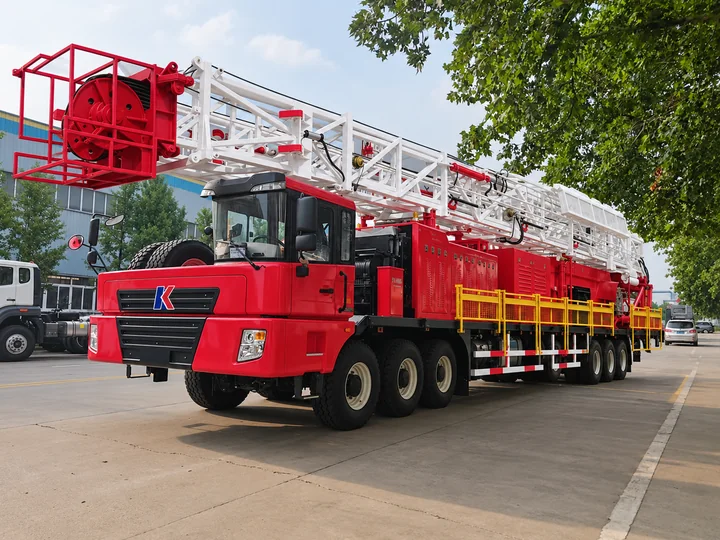
Workover Rig Chassis Options
Verified model references include the configurations below. Chassis selection depends on rig class, total mass, axle loading, traction, steering, terrain and the permitted transport route.
Operating scope
Workover Rig Applications
The operating program determines the required equipment package. Typical project reviews may include:
Operating-condition guidance
Workover Rig Solutions
Move from model comparison to a configuration review built around the well, site and transport conditions.
Workover Rig Solutions for 3,000–7,500 m Wells
See how depth, tubular program, hook load, mast and chassis are considered together.
Review workover rig selection guidance →Desert Workover Rig Solutions
Review heat, dust, mobility and field-support considerations for Middle East oilfield projects.
Explore desert workover rig solutions →Buyer questions
Truck-Mounted Workover Rig FAQ
What is a truck-mounted workover rig?
A truck-mounted workover rig combines the lifting and hoisting system used for oilfield well servicing with a road-mobile chassis. The final rig and chassis configuration should match the well program, load basis and transport conditions.
What is the difference between XJ550, XJ650, XJ750 and XJ1000?
The models cover different workover bases, hook-load terminology, mast arrangements and chassis classes. Compare the technical data on each model page rather than selecting by model number alone.
How do I select the correct workover rig?
Workover rig selection should not be based on well depth alone. Start with the confirmed well program, well depth, tubular size and string weight, which establish the load basis. Then confirm the required hook load, mast, chassis, terrain, climate and transport limitations. In the current range, published hook-load terms are: XJ550 1,000 kN rated hook load, XJ650 1,200 kN rated hook load, XJ750 1,800 kN maximum hook load, and XJ1000 2,250 kN maximum hook load. Rated hook load and maximum hook load are not treated as interchangeable values. Use these published terms as a starting point, not as a substitute for project-specific confirmation. A step-by-step checklist is given in How to Select a Truck-Mounted Workover Rig: https://workoverrigchina.com/how-to-select-truck-mounted-workover-rig/.
What chassis configurations are available?
Verified model references include 10×8, 10×10, 12×8, 14×8 and 14×10 arrangements. Chassis selection depends on rig class, total mass, axle loading, traction, steering, terrain and the permitted transport route. Final selection remains subject to engineering confirmation.
Can workover rigs be configured for desert conditions?
Desert projects can be reviewed for heat, dust, access, transport and supporting-equipment requirements. The resulting configuration is subject to engineering confirmation.
Can workover rigs be configured for cold climates?
Cold-climate projects require a review of temperature range, fluids, starting systems, materials and winterization needs. Confirm the operating envelope with the engineering team.
What does a workover rig do?
A workover rig is used for oilfield well servicing after a well has been drilled. Typical work includes pulling and running tubing, replacing downhole equipment, and other hoisting and well-servicing tasks defined by the well program. A truck-mounted workover rig places that hoisting system on a road-mobile chassis so the unit can be moved between locations. The final rig and chassis configuration should match the confirmed well program, load basis, site access and transport conditions.
How much does a workover rig cost?
There is no single list price. Cost depends on the workover or servicing depth basis, the hook-load basis, the chassis arrangement and the project-specific configuration. Published hook-load terms in the current range run from the XJ550 1,000 kN rated hook load to the XJ1000 2,250 kN maximum hook load; other options vary by model and by the confirmed well program. To request a technical proposal, prepare the well-program data listed in What Information Should You Provide When Requesting a Workover Rig Quotation?: https://workoverrigchina.com/workover-rig-quotation-checklist/. This page does not publish prices.
For additional technical guidance, visit the oilfield equipment Knowledge Center.
Project review
Request a Workover Rig Configuration
Share the operating basis so Hubei Link can review the suitable rig class and chassis direction.
- Well depth
- Tubing or drill-pipe size
- Expected hook load, if available
- Operating country
- Terrain or road condition
- Preferred equipment type
Request a Workover Rig Proposal
Tell Hubei Link about your equipment requirements and operating conditions.